
 365int
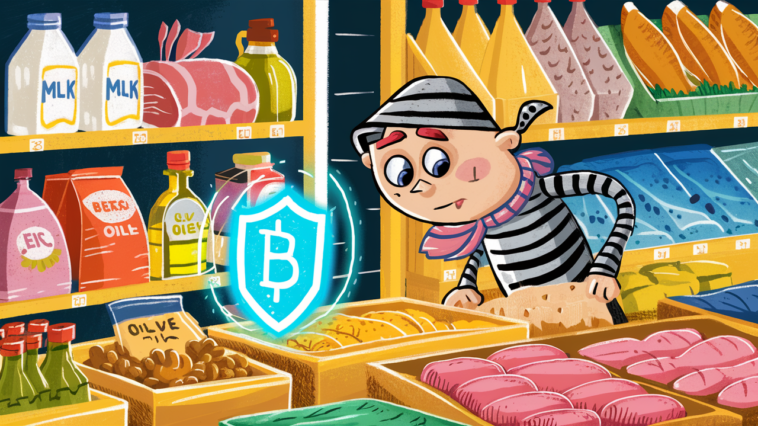
Every year, food fraud drains up to $50 billion from the global food industry. That’s milk cut with chemicals, cheap oil passed off as extra virgin, and mystery meat sold as premium beef.
Why? Because it’s easy to cheat in food supply chains. Many companies use separate tracking systems that don’t talk to each other. That makes it simple for shady stuff to sneak in unnoticed.
And the consequences? Huge. Lost trust, health scandals, and baby formula disasters like China’s 2008 melamine crisis that harmed over 300,000 kids.
Blockchain might be the fix. It creates a record that can’t be changed or faked. Everyone sees the same data. No middlemen, no secrets.
Add in smart contracts and IoT sensors, and you’ve got an army of digital watchdogs. They can monitor everything from fridge temps to factory handling.
Big names like Walmart and Carrefour are already using blockchain to trace food. What once took days now takes seconds. That’s progress.
But it’s not all smooth sailing. Blockchain isn’t magic. It’s expensive, complicated, and still needs good data to work. If someone lies before data goes onchain, it’s still a lie.
IoT and AI help, but even robots need rules. That’s where standards and clear guidelines matter. You can’t fix food fraud without teamwork across the industry.
So, blockchain alone won’t save your sushi — but it might just be the trust tech we’ve been waiting for.