
 365Crypto
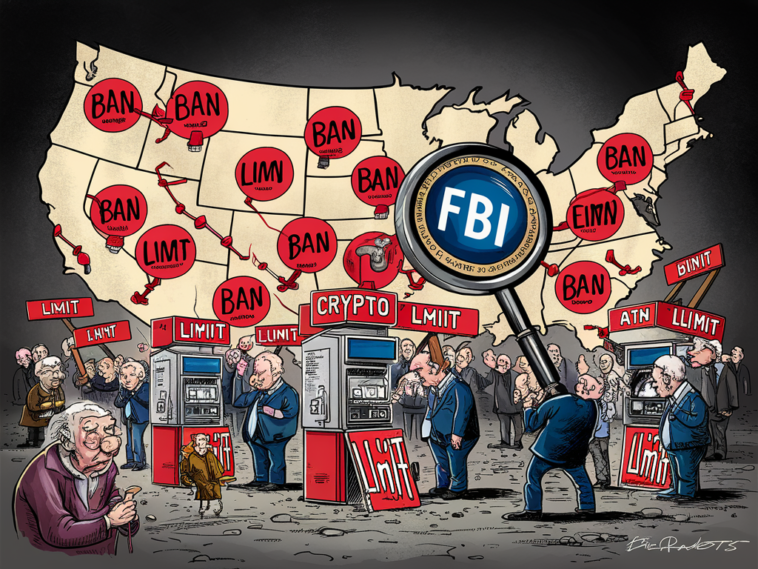
US Regulators Crack Down on Crypto ATMs Amid Fraud Surge
Crypto ATMs — once seen as a key symbol of mainstream adoption — are now facing bans and heavy restrictions across the United States as regulators, lawmakers, and law enforcement move to curb fraud and scams linked to the machines.
These kiosks, which allow users to buy or convert crypto with cash (often anonymously), have drawn increasing scrutiny after a surge in criminal activity. According to the FBI, fraud via crypto ATMs generated nearly 11,000 complaints in 2024 alone, totaling over $246 million in losses. Many victims are senior citizens targeted by phone scams that direct them to deposit cash into crypto kiosks.
Cities Leading with Bans
Stillwater, Minnesota banned crypto ATMs after multiple seniors lost tens of thousands of dollars to scams.
Spokane, Washington outlawed both existing and future crypto kiosks, calling them a “preferred tool for scammers.”
Grosse Pointe Farms, Michigan introduced strict transaction caps, even though the town doesn’t currently host any kiosks.
States Imposing Strict Limits
A wave of states has passed laws capping transactions, requiring refunds for fraud victims, mandating ID checks, and capping operator fees.
Arizona: $2,000 daily limit for new users; $10,500 for repeat customers after 10 days; 30-day refund policy.
Arkansas: $2,000 daily limit; senior citizens must be contacted before first transaction.
Colorado: Refunds required if funds are sent overseas; $2,000 limit for new users.
Iowa: $1,000 daily cap; 15% fee maximum; lawsuits filed against major operators.
Maine: $1,000 cap; strict refund rights; fees capped at $5 or 3%.
Maryland: $2,000 cap; operators must register and collect user data.
Nebraska: $2,000 limit for new users; $5,000 for existing; fees capped at 18%.
Oklahoma: $2,000 cap; blockchain analytics required to flag criminal wallets.
Rhode Island, Vermont, North Dakota, Wisconsin: Similar daily limits, licensing, ID, refund, and warning requirements.
In total, more than a dozen states have already passed crypto ATM restrictions, with more considering legislation.
Protecting Seniors
Authorities say fraudsters overwhelmingly target older Americans who are less familiar with digital payments. AARP and state attorneys general have pushed for stronger protections, claiming ATM operators place kiosks in vulnerable communities and profit from scams.
National Regulations on the Horizon
With momentum building at the state level, federal lawmakers in Washington are now considering nationwide rules that mirror these restrictions. If passed, anonymous and high-value crypto ATM transactions could disappear entirely.
For ATM operators, profitability is shrinking under strict licensing, ID checks, and commission caps — potentially threatening the survival of the industry.
⚠️ The US crypto ATM landscape has shifted from being a symbol of adoption to a prime target of regulators. Unless operators adapt quickly, the crackdown may mark the decline of anonymous crypto kiosks in America.