
 365Crypto
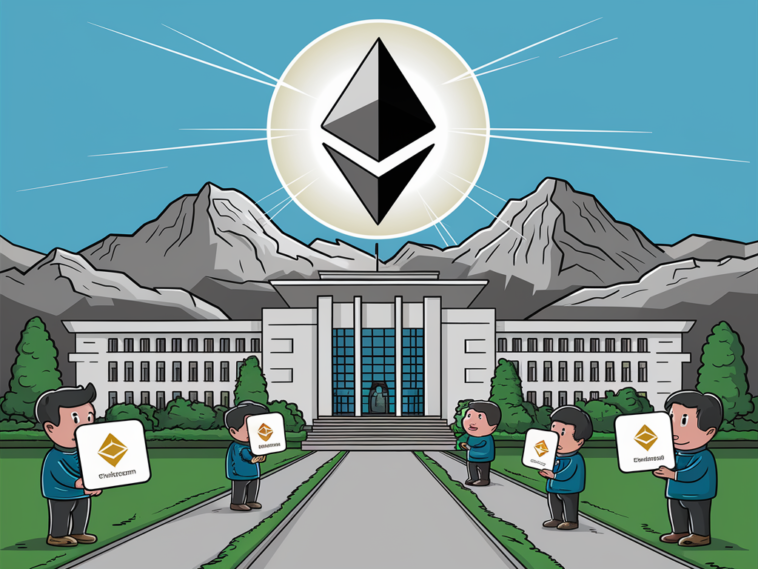
Bhutan is taking its digital identity system to the next level — by putting it on Ethereum. The Himalayan kingdom has officially begun migrating its national ID system from Polygon to the world’s most popular smart contract network.
A Historic Blockchain Shift
The move allows around 800,000 Bhutanese citizens to verify their identities and access digital government services directly on-chain. The integration with Ethereum is complete, and the full migration of credentials is expected by early 2026, said Aya Miyaguchi, president of the Ethereum Foundation.
Miyaguchi, who attended the launch with Vitalik Buterin, Prime Minister Tshering Tobgay, and Crown Prince Jigme Namgyel Wangchuk, called the initiative “a world-first” for digital sovereignty.
“It’s inspiring to see a country empower its citizens through blockchain,” she wrote on X.
Why Ethereum?
Ethereum’s immutability, decentralization, and ability to support zero-knowledge proofs (ZKPs) make it ideal for secure ID systems. These features ensure privacy while preventing tampering — a critical balance for national-level applications.
(Zero-knowledge proofs = cryptographic tools that let users prove information without revealing the actual data.)
Bhutan’s Blockchain Journey
This is Bhutan’s third blockchain-powered ID solution. It started with Hyperledger Indy, then moved to Polygon in 2024, and is now settling on Ethereum. The country’s National Digital Identity (NDI) and GovTech teams led the upgrade with support from local crypto developers.
Bhutan’s Crypto Ambition
Bhutan measures progress by Gross National Happiness, not GDP — but crypto is definitely adding to its cheer. The country secretly accumulated over 11,000 Bitcoin, worth around $1.3 billion, using renewable energy from its hydropower dams.
That makes Bhutan the fifth-largest Bitcoin-holding nation on the planet, trailing only the US, China, the UK, and Ukraine. It even held private talks with former Binance CEO Changpeng Zhao last month — possibly to explore new crypto initiatives.