
 365Crypto
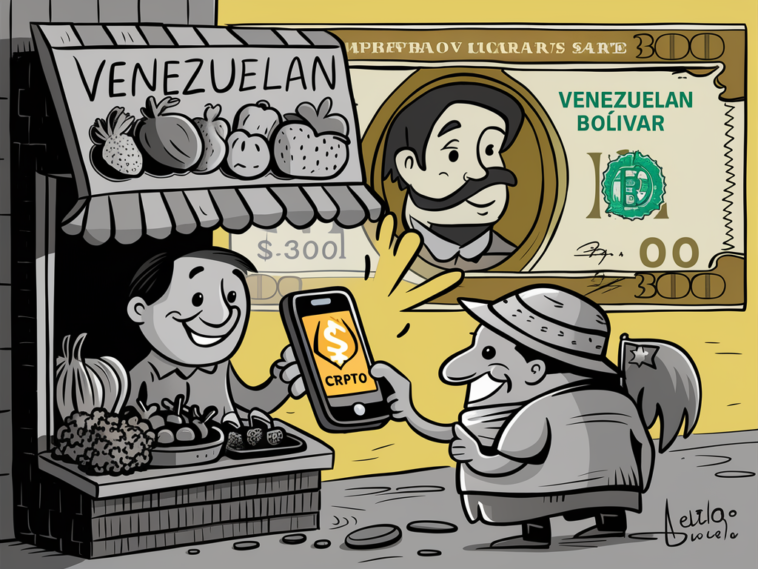
Shops in Venezuela are embracing crypto as inflation wrecks the bolívar. Stablecoins are now part of daily life.
Everyday Crypto
Corner stores and big retailers take payments in coins like USDT. Some firms even pay staff in crypto. Universities now teach courses on digital assets.
“I can pay for phone accessories in USDT,” said shopper Victor Sousa. “My dream is to keep my savings in crypto.”
Adoption Ranks High
Chainalysis ranked Venezuela 13th worldwide for crypto adoption in 2024, with usage jumping 110% in a year.
Bolívar in Freefall
The currency lost 70% of its value since October. Inflation hit 229% in May, according to local trackers. Economist Aarón Olmos said Venezuelans turned to crypto out of survival. Low wages, no dollars, and banking hurdles force people online.
Barriers to Access
Sanctions complicate things. Binance limits accounts tied to sanctioned banks. Internet blackouts add pressure. Yet experts say the crypto market is surprisingly resilient.
Government’s Shaky Role
The petro, Venezuela’s official crypto launched in 2018, failed by 2023. Regulators were shut down over oil-linked corruption. The government’s position on crypto remains unclear.
Remittances Go Digital
In 2023, crypto remittances made up $461 million of the $5.4 billion sent to Venezuela. Families prefer stablecoins to Western Union, dodging high fees and delays.
Rising Tensions
Meanwhile, US-Venezuela military friction grows. Washington deployed warships and a submarine. Caracas responded with naval patrols. The US doubled its bounty for President Maduro to $50 million.