
 365Crypto
Crypto Meets Banking
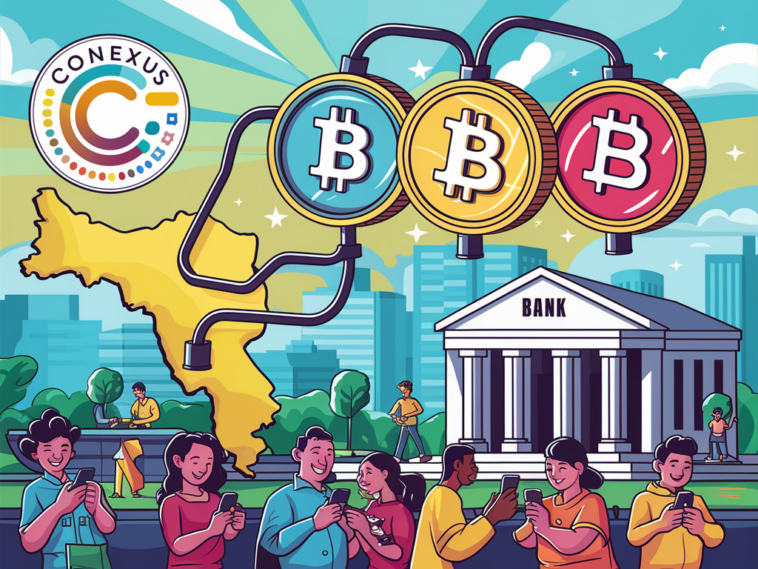
Venezuela’s banking system is about to go digital. By December 2025, local banks will let citizens buy, store, and trade Bitcoin and stablecoins directly through their accounts. Payment processor Conexus, which already handles nearly 40% of all electronic transactions, is leading the charge.
The goal? To bridge banks and blockchain under one regulated roof. After years of inflation and sanctions, this shift could redefine how Venezuelans save and send money.
Bolívar’s Fall, Crypto’s Rise
The bolívar keeps losing value. People have turned to stablecoins like Tether (USDT) to escape hyperinflation. Conexus wants to make this behavior official by giving banks tools to handle crypto safely and transparently — no more shady exchanges or risky wallets.
Blockchain Backbone
The new system will run on blockchain rails, ensuring traceable and secure transactions. Businesses and individuals will be able to move easily between bolívars, Bitcoin, and stablecoins without leaving their banking apps. It’s a crypto upgrade for the nation’s entire payment system.
Model for Emerging Economies
Venezuela could become a test case for countries battling weak currencies. If successful, this fusion of fiat and crypto could inspire similar models across Latin America.
Conexus’s plan shows how necessity — and inflation — can drive financial innovation.
(Note: Stablecoin = a cryptocurrency tied to a stable asset like the US dollar; blockchain = a public digital ledger.)