
 365Crypto
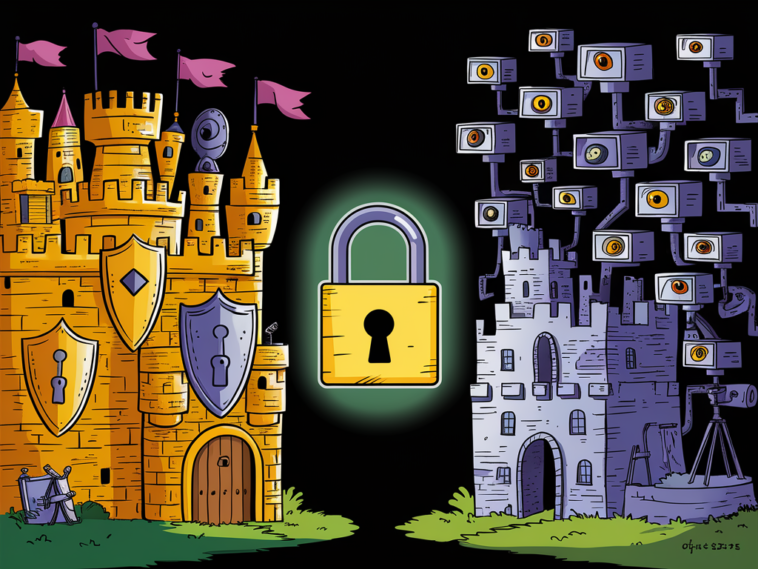
The Great Encryption Divide
The European Union’s new ProtectEU proposal sounds like safety, but it’s more like surveillance. The plan requires apps to scan private messages before encryption. That means your phone could spy on you before your words are even protected.
Governments say it’s for security. But in practice, it builds a two-tier system — strong encryption for the state, weak encryption for everyone else. It’s like digital feudalism: rulers stay protected, while citizens stay exposed.
Why Encryption Matters
Encryption isn’t a luxury. It’s the core of online trust. It protects your chats, your crypto wallet, and even global finance systems. Once that protection is weakened, it’s gone for good. You can’t have “safe” backdoors — a single crack can let in hackers, criminals, and governments alike.
When encryption breaks, democracy shakes. Privacy isn’t about hiding secrets; it’s about protecting freedom from control.
Web3’s Answer: Truth by Code
Web3 was built on a simple rule — trust the code, not the middleman. Decentralized systems use math to prove truth, not authority. That’s why ideas like zero-knowledge proofs and proof-of-personhood exist. They let users verify without revealing who they are.
Weakening encryption destroys this trust. It’s like giving someone the master key to everyone’s front door.
The Choice Ahead
The EU faces a clear choice: protect citizens or police them. Strong encryption isn’t about hiding crimes — it’s about keeping the system honest. In a world full of AI and cyberattacks, it’s the only thing standing between freedom and control.
Because privacy isn’t a crime. It’s protection.
(Footnotes: Zero-knowledge proof — a cryptographic method to prove something without showing the actual data.)