
 365Crypto
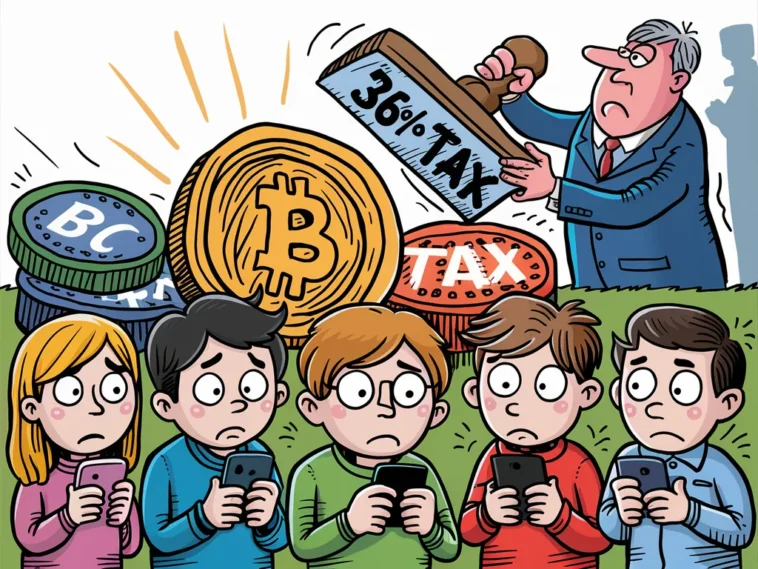
Politicians Swing the Tax Hammer
Dutch lawmakers pushed forward a 36% tax on savings and liquid assets, and crypto landed right in the blast zone.
Small investors now face rules that treat them like major bankers managing giant funds and billion-euro portfolios.
The bill passed a key vote with strong political support, showing how far policymakers drift from daily investor reality.
Many young traders feel punished for saving and building future wealth through digital assets and modern finance tools.
Unrealized Gains and Real-World Pain
The proposal taxes gains even if assets stay unsold, forcing investors to pay before profits become real money.
That idea sounds clever on paper, yet it ignores market volatility and sudden price swings common in crypto markets.
Critics argue this policy punishes patience and long-term investing instead of encouraging healthy financial habits.
Investors fear needing to sell coins just to pay taxes, creating artificial selling pressure across digital asset markets.
Capital Flight Warnings Grow Loud
Industry analysts warn capital may flee to friendlier countries offering clearer and lighter crypto tax frameworks.
Some compare the move to past European policies that pushed startups and entrepreneurs to relocate abroad quickly.
Prominent crypto voices mocked the plan, calling it disconnected from tech reality and basic economic common sense.
If innovators leave, local ecosystems shrink, jobs vanish, and governments lose the tax revenue they expected to gain.
Numbers That Shock Long-Term Investors
A simple monthly investment over forty years could shrink massively under this unrealized gains taxation model.
Calculations show investors losing over a million euros compared to a scenario without the aggressive tax burden.
Such outcomes make long-term saving look pointless, undermining public trust in traditional policy planning methods.
Young crypto users wonder why governments claim to support innovation while attacking emerging digital finance sectors.
Political Echoes Beyond the Netherlands
Similar wealth tax debates in other regions triggered backlash and relocation threats from technology entrepreneurs.
These examples show politicians often underestimate how quickly mobile digital workers can pack up and move away.
Crypto communities argue that innovation flows where regulation stays fair, predictable, and supportive of growth.
When laws treat small traders like billionaires, lawmakers risk pushing the next generation of builders elsewhere.
Footnotes
Unrealized gains: Paper profits on assets not sold yet.
Capital flight: Investors moving money to other countries.
Liquid assets: Investments easily converted into cash.