
 365Crypto
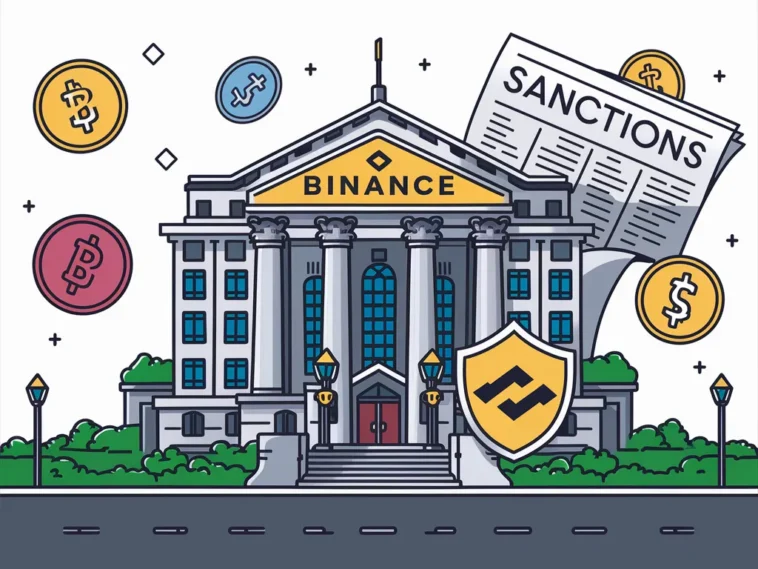
Binance Pushes Back on Iran Claims
Binance is pushing back against a report that links it to Iran-related sanctions breaches.
A recent article claimed the exchange allowed over $1 billion in transfers tied to Iranian entities. These transactions allegedly moved through the platform between March 2024 and August 2025 using USDT on Tron.
The report also said several internal investigators were fired after raising red flags. Some of them had law enforcement backgrounds. It suggested more senior compliance staff left the firm in recent months, raising fresh doubts about Binance’s internal controls and its culture around regulatory reporting.
Binance responded fast. The company said the claims are “categorically false.” It stated that no employee was dismissed for raising compliance concerns and that no sanctions violations were found after a full internal review conducted with outside legal counsel. The exchange stressed that it continues to meet its obligations under ongoing regulatory monitoring.
Background: Ongoing Oversight
This dispute comes as Binance remains under strict oversight following its 2023 settlement with US authorities. The exchange agreed to pay $4.3 billion for Anti-Money Laundering (AML)* and sanctions violations. Founder Changpeng Zhao stepped down as CEO and later served four months in prison.
Since then, Binance has pledged to improve its compliance systems and work closely with regulators. The company said recent reports suggesting it is “reneging” on its obligations are inaccurate and misrepresent the facts.
Financial Times Adds Pressure
A separate report from the Financial Times in December raised more concerns. It claimed certain suspicious accounts continued to move large sums through Binance even after the 2023 plea agreement. According to that report, 13 accounts processed around $1.7 billion since 2021, including $144 million after the settlement.
Binance rejected that framing as well. A spokesperson said all transactions are reviewed based on the information available at the time. The company added that none of the wallets mentioned were under sanctions when the transactions occurred.
*AML (Anti-Money Laundering): Rules designed to prevent illegal funds from being disguised as legitimate money.