
 365Crypto
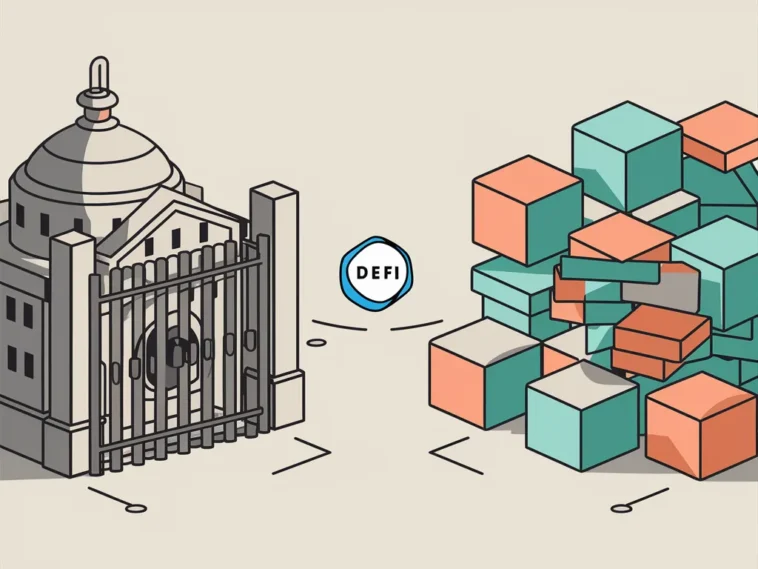
DeFi Stays Out of Reach, For Now
Regulators across the globe are tightening crypto rules, yet decentralized finance still sits outside the fence.
For now, DeFi remains too scattered, too code-driven, and too hard to grab.
Europe’s latest crypto tax law, known as DAC8, focuses on targets regulators can actually see.
That means exchanges, custodians, and brokers with offices, staff, and paperwork.
Why DAC8 Skips DeFi
The rulebook forces intermediaries to collect and share user transaction data with tax agencies.
Smart contracts do not have offices, managers, or customer support desks.
According to former OECD adviser Colby Mangels, regulators chose practicality over theory.
They went after entities that can answer emails instead of lines of code.
But The Free Pass Has an Expiry Date
Tax agencies are now borrowing tools from anti-money laundering laws to define responsibility.
The big question is whether some DeFi platforms will be labeled as service providers.
If that happens, the compliance hammer will swing fast.
History shows regulators rarely ignore growing markets for long.
Pressure Builds Beyond Europe
In the United States, lawmakers are reopening debates on crypto market structure.
DeFi sits at the center of disagreements between regulators and the industry.
Institutions also smell opportunity.
They want DeFi yields but wrapped in rules, reporting, and guardrails.
Freedom Versus Control
Crypto was built to avoid permission and control.
Each new rule chips away at that promise.
DeFi may be free today.
Tomorrow depends on how long regulators tolerate code without owners.
Footing:
¹ DAC8: An EU tax framework forcing crypto platforms to report user activity.
² DeFi: Financial services run by smart contracts instead of companies.
³ AML: Laws designed to stop money laundering and illicit finance.