
 365Crypto
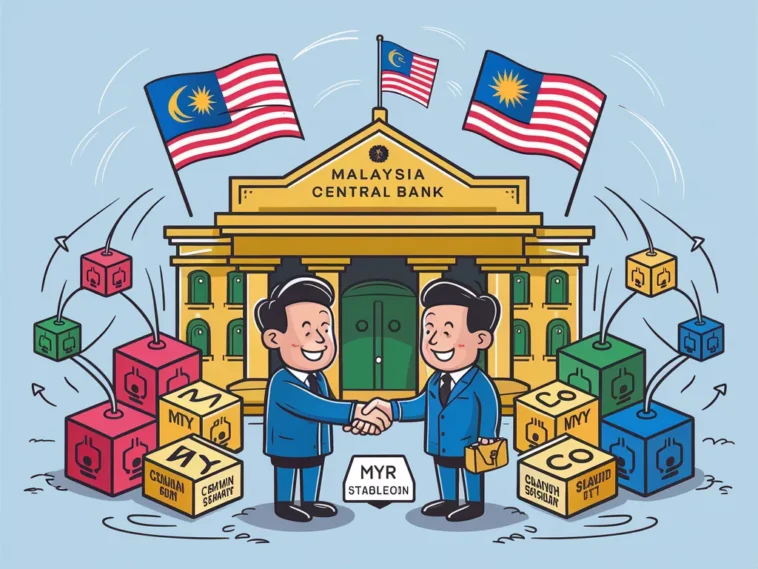
Malaysia Opens Digital Asset Sandbox
Malaysia’s central bank launched a new sandbox to test stablecoins and tokenized bank deposits.
The program studies ringgit stablecoins for cross-border settlement between financial institutions worldwide.
Banks and regulators explore blockchain tools while tracking risk, cost savings, and real transaction speed.
The sandbox focuses on wholesale settlement systems used by banks instead of everyday retail payments.
Tokenization Moves Into Real Finance
Officials want to test tokenized real-world assets like deposits and financial contracts onchain systems.
Tokenization converts traditional assets into blockchain tokens that move faster and cost less to manage.
Standard Chartered, Maybank, CIMB, and Capital A joined trials to test real use cases with regulators.
Research may shape Malaysia’s future wholesale CBDC used only by institutions and central banks.
Shariah Finance and Regulatory Research
BNM also reviews Shariah compliance to ensure Islamic finance rules fit digital asset development.
Malaysia aims to build financial tools that follow both global standards and regional cultural rules.
The sandbox will guide future policy decisions and support Malaysia’s long-term digital finance plans.
Governments worldwide now compete to tokenize currencies and assets for global digital economies.
Roadmap and Industry Activity
Malaysia published a three-year roadmap to expand tokenization across supply chains and credit markets.
The plan includes programmable finance, automated contracts, and 24/7 cross-border transaction systems.
A ringgit stablecoin called RMJDT launched earlier inside a regulatory sandbox but remains in testing.
Wholesale stablecoins focus on institutional transfers and are not designed for public consumer trading.
Footnotes:
Stablecoin: a cryptocurrency pegged to a fiat currency to reduce volatility.
Tokenization: converting real assets into blockchain-based digital tokens.
CBDC: central bank digital currency issued directly by a nation’s central bank.
Wholesale settlement: financial transfers between institutions instead of retail consumers.