
 365Crypto
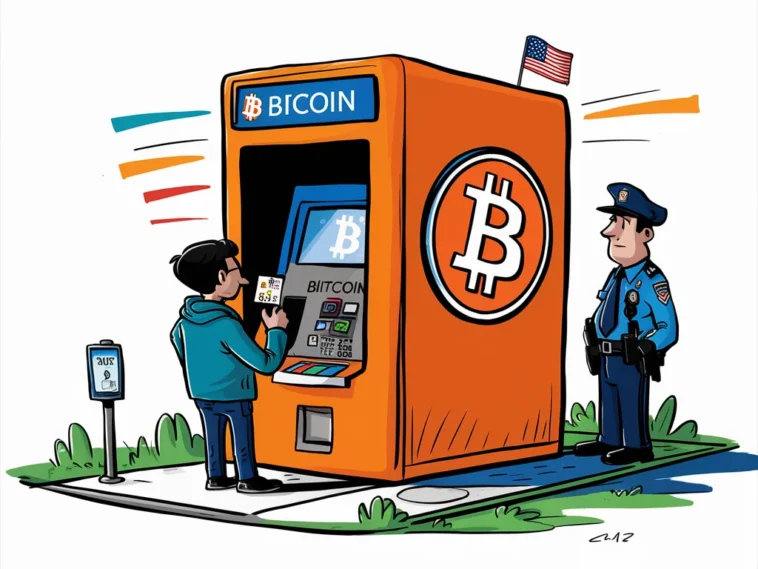
ID Now Required at Every Bitcoin Depot ATM
Bitcoin Depot will now require ID for every transaction at its crypto ATMs across the United States.
The move comes as regulators increase pressure on operators over scams and money laundering risks tied to kiosk networks.
The company began rolling out the rule in February, expanding an earlier policy that required identity checks only for new users who signed up after October.
CEO Scott Buchanan said continuous verification helps detect suspicious activity linked to customers, locations, or unusual transaction sizes before funds move through the machine.
Why Crypto ATMs Are Under Fire
Crypto ATMs offer fast access to Bitcoin. They also attract criminals.
Scammers often direct victims to deposit funds into these kiosks because the transactions cannot be reversed once confirmed on the blockchain, which records transfers on a public ledger.
Lawmakers argue that stronger identity checks can slow fraud and prevent account takeovers or identity theft.
The Scale of the Market
The United States leads the world in crypto ATM installations.
Data from Coin ATM Radar shows more than 31,000 machines operate nationwide, representing most of the global total.
Bitcoin Depot controls the largest share, with over 9,000 kiosks placed in convenience stores and retail locations across the country.
Legal Pressure Builds
State regulators have started taking action.
In Massachusetts, Attorney General Andrea Campbell filed a lawsuit claiming the company failed to put enough safeguards in place to stop scams tied to large transactions.
In Maine, Attorney General Aaron Frey secured a $1.9 million settlement to reimburse victims who lost funds through Bitcoin Depot machines.
Iowa Attorney General Brenna Bird also launched legal action against Bitcoin Depot and rival Coinflip over alleged weak fraud protections.
The message is clear. Crypto ATMs are no longer flying under the radar.
Footnotes:
Blockchain: A distributed digital ledger that records transactions in a transparent and permanent way.
Money laundering: The process of disguising illegal funds to make them appear legitimate.
Compliance: Following laws and regulatory requirements set by authorities.