
 365Crypto
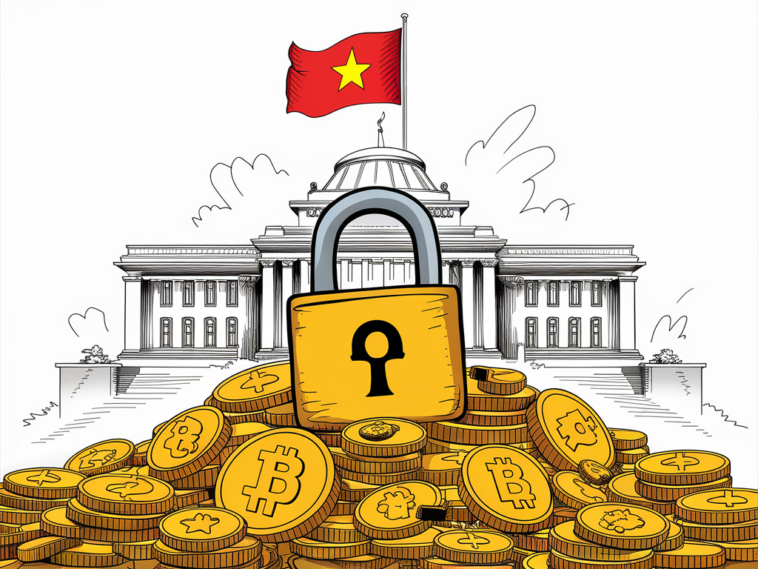
Vietnam has rolled out a strict five-year pilot program for crypto. The plan is live now and sets sharp boundaries for the industry.
Trading Rules
Deputy Prime Minister Ho Duc Phoc signed the resolution this week. All crypto trades, from issuance to payments, must be done in Vietnamese dong. Only local enterprises can issue tokens, and they must be registered companies under national law.
Ban on Fiat-Backed Coins
The program bans assets backed by fiat or securities. Tokens must be tied to real assets like property or goods, not currencies or stocks.
Foreign Investor Access
Only licensed service providers under the Ministry of Finance can issue crypto to foreign investors. The government stresses caution, safety, and transparency in building the market.
Capital and Staff Rules
Providers must hold at least 10 trillion dong ($379M) in capital. At least two backers must come from banks, securities firms, insurers, or tech companies. Shareholders must also show two years of profit before applying for a license.
On staff, CEOs need two years of finance experience, CTOs need five years in tech, and firms must employ at least ten trained tech staff.
Bigger Picture
This pilot comes just after lawmakers passed the Law on Digital Technology Industry in June. That law, set for 2026, will give crypto assets full legal status and push Vietnam closer to its digital hub goals.