
 365Crypto
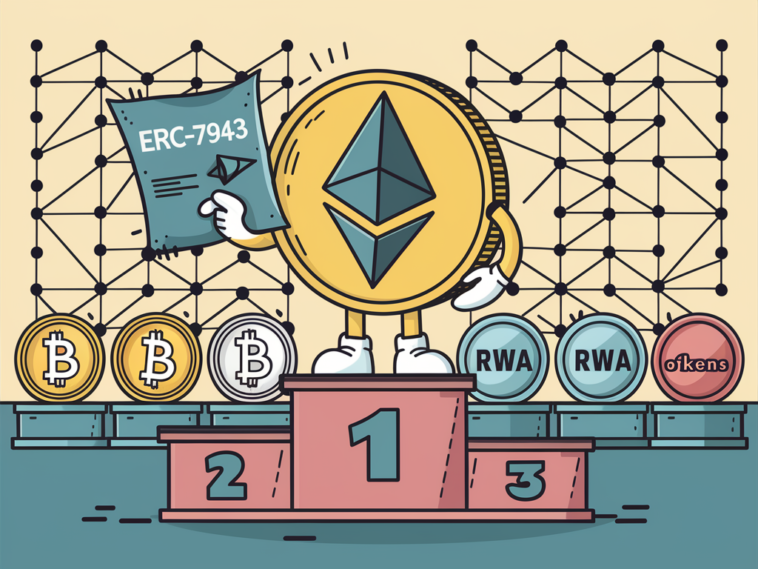
A new Ethereum standard is here, and it wants to clean up the chaos in real-world asset (RWA) tokenization. ERC-7943, drafted by Dario Lo Buglio of Brickken, sets a baseline for compliance and interoperability.
Why This Standard Matters
The RWA market is exploding, already worth over $28 billion onchain.* But developers are frustrated. Institutions want compliance tools. ERC-7943 tries to give both sides what they need.
(*RWA: Real-World Assets. Examples include tokenized bonds, real estate, or stocks.)
A Universal Layer
Lo Buglio describes ERC-7943 as a “universal layer” that works across Ethereum Layer-2s and other EVM-based chains. It strips away wrappers and bridges, letting apps plug tokenized assets in directly.
Backed by Industry Players
The standard has support from Bit2Me, Compellio, DigiShares, Stobox, Zoth, and other Web3 and fintech firms. It’s now in the review stage of Ethereum’s improvement process, gathering feedback from compliance experts.
The Compliance Angle
Earlier attempts, like ERC-1400 and ERC-3643, focused on securities and hybrid tokens. ERC-7943 takes a lighter touch. It defines only what must exist, not how to build it. That means any project can adopt it without being locked into one identity or permission stack.
Lo Buglio calls it a response to the “perfect storm” of institutional demand and developer headaches. In short, ERC-7943 wants to stop token standards from multiplying like meme coins and give the industry a common language for compliance.